01
Start with your property observations
Record visible changes safely and note when you first noticed them. A regional storm report cannot establish condition at your home.
Cumming and Forsyth County homeowners can describe a repair, replacement, or storm concern without diagnosing the roof. Keep safe observations and ask a company to inspect before deciding on work. A&E reviews requests first for one available independent company.
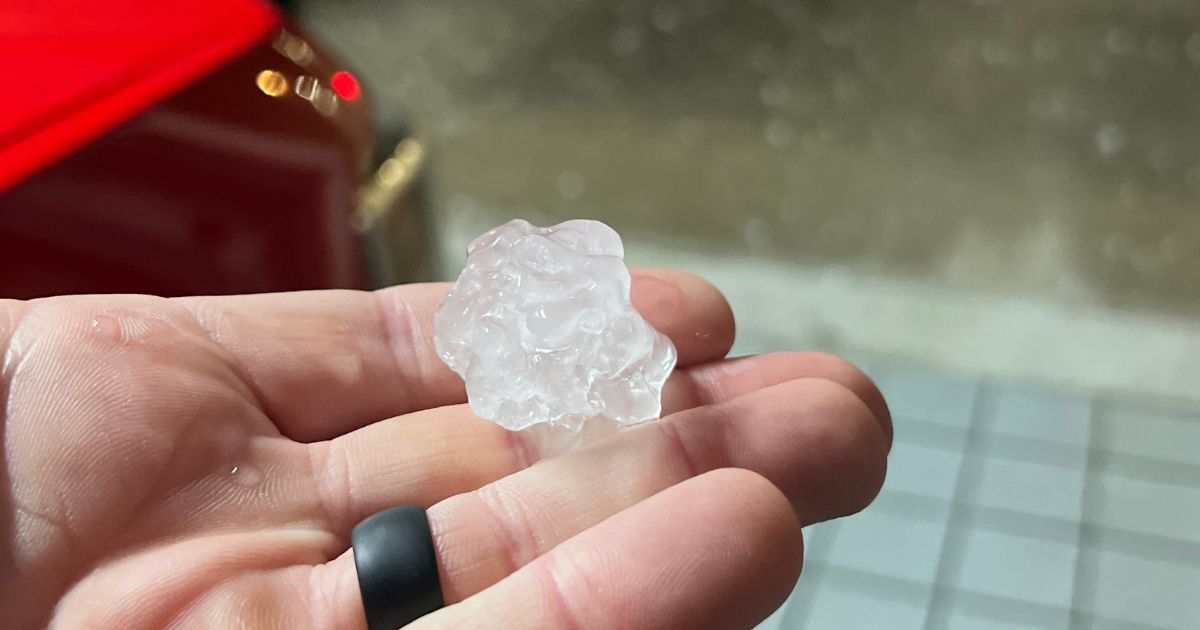
Record visible changes safely and note when you first noticed them. A regional storm report cannot establish condition at your home.
Age, material, prior repairs, and installation details can help a company prepare, but unknown details are fine. Do not assume a roof type from the subdivision or construction date.
Hail-related bruising and granule loss may be difficult to see from the ground and may not produce an immediate leak. A roofing-company inspection is needed to assess actual condition. Review your policy and ask your insurer or agent about deadlines.
NOAA records categorize events by county or forecast zone. They do not confirm wind, hail, or damage at a specific address. Keep the source date and your own observations separate when preparing a request.
NOAA Storm Events searchTake dated photos from the ground of each side of the home, gutters, HVAC condenser, downspouts, and any interior water marks.
Wet shingles, hidden mat fractures, and fall liability all argue against DIY inspection. Have a roofing company inspect and document the roof.
ACV generally accounts for depreciation, while RCV generally does not. Deductibles, limits, conditions, and payment timing vary by policy. Check your documents or call your agent. See our article "ACV vs RCV: What Georgia Homeowners Need to Know".
A roofing company can inspect and document the roof. Contact your insurer or agent about coverage and reporting deadlines.
Review the deductible in your policy and ask your insurer or agent how it applies. Be cautious of any proposal that hides or misstates project costs.
Policy deadlines vary. Review your policy and contact your insurer or agent promptly to confirm applicable reporting requirements. See our article "What to Do Before the Insurance Adjuster Visits".
Want to know what subtle hail damage looks like? Read our "7 Hail Damage Signs Homeowners Miss" guide.
Wind damage is harder to see than hail because a shingle can break its adhesive seal and then lay back down flat. From the ground the roof looks intact, and it often stays that way until the next driving rain pushes water under the unsealed tab and a ceiling stain appears weeks after the storm that caused it.
What to look for after a wind event:
Keep dates and descriptions accurate. Record what you noticed and when, without assigning a cause you cannot establish. Ask your insurer or agent how the policy applies to the actual facts and any reporting requirements.
Whether the carrier pays full replacement or a depreciated amount comes down to your policy type. Our guide on ACV vs RCV for Georgia roof insurance explains common payment terms and questions to ask your insurer or agent.
If the same storm brought down trees or damaged siding, gutters, and interior finishes along with the roof, our storm damage restoration matching page covers the multi-system side of the claim.
Ask the company which product specifications and components it proposes and why they fit the inspected condition. Product ratings do not guarantee a damage-free roof. Ask about written warranty restrictions, added work, and payment terms. Ask your insurer or agent any policy questions.
Take time to understand a company and its written proposal. These questions can help organize that review without assuming qualifications or outcomes.
Ask the company what qualifications and coverage apply to the proposed work and how you can independently confirm its statements. Free Roof Score does not make those claims for a partner.
Contingency agreements are common after storms and are not automatically improper, but signing one before you have read the carrier scope commits you to a contractor before anyone knows what the work actually is.
Ask your insurer or agent about deductible obligations. Be cautious of any proposal that hides or misstates project costs.
The scope is the document the claim payment is built from. Read what the roofer proposes against it line by line, and ask about anything that appears in one and not the other.
Squares, pitch, and facet count drive both the carrier payment and the contractor price. Ask the company to explain measurements and how any differences would affect the proposed scope.
Review any company, proposal, and contract carefully before signing, regardless of how the company contacted you.
Free Roof Score is not a roofing contractor. It is a free matching service: submit your details, and if a partner roofing company serves your area and is available, we share your request with that one partner company. The matched company performs any inspection, estimate, and installation work. A&E's compensation comes from the partner network on completed projects and is disclosed to you upfront, before you commit to anything.
Free Roof Score, published by A&E Roofing Advisors LLC, matches Cumming homeowners with roofing companies. Submit a short request describing your roof and situation. If a partner roofing company serves your area and is available for your project type, we share your request with that one partner company. A match is not guaranteed.
Coverage in Cumming and the Metro Atlanta area is subject to partner availability. The homeowner is responsible for their deductible. Beyond that, what the carrier pays depends on your policy type and the approved scope of loss, and your out-of-pocket cost depends on your policy, deductible, and approved scope. A&E's compensation comes from the partner network on completed projects and is disclosed upfront; there is no cost to homeowners for submitting a request. For a Georgia dispute, you may consult a licensed Georgia public adjuster or attorney. Free Roof Score does not refer or represent.
Founder Evan Berg is based in Metro Atlanta. Phone: (404) 458-7984. Email: evan@freeroofscore.com.
We match homeowners across the 30040 and 30041 ZIP codes and the surrounding 30028 and 30024 areas, covering Cumming proper, the Vickery and Windermere corridor in South Forsyth, and the Coal Mountain, Matt, and Silver City communities to the north, subject to partner availability.