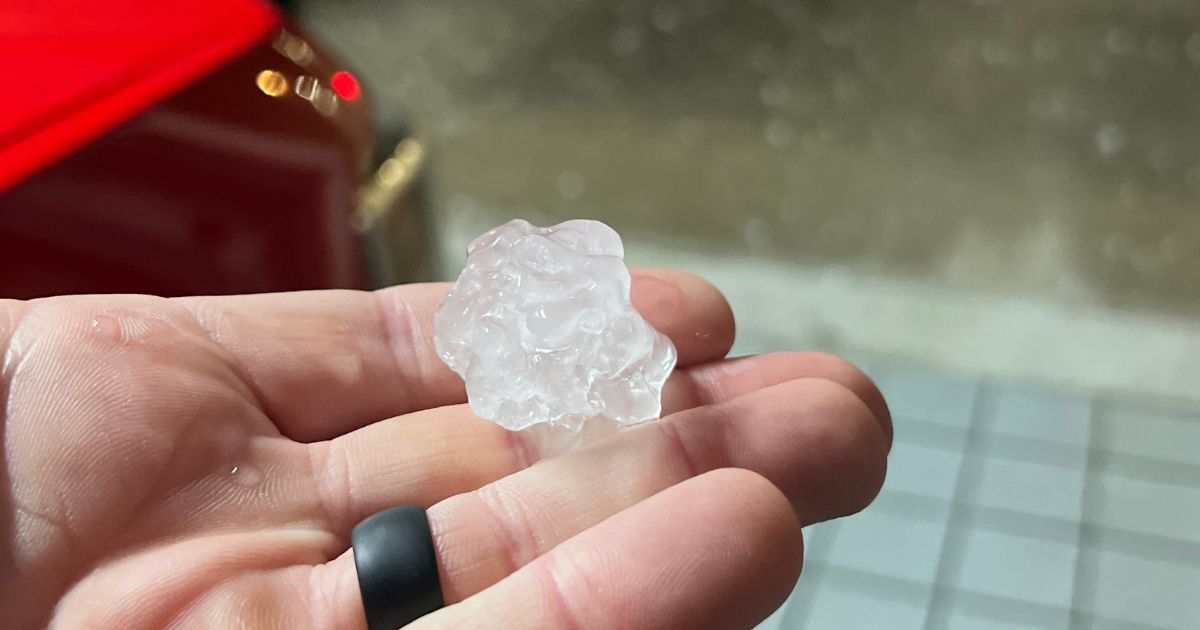
After a hailstorm rolls through, most homeowners do the same thing: they walk outside, look up at the roof from the driveway, see no missing shingles, and assume everything's fine.
A ground-level view cannot establish actual roof condition.
Some hail-related roof damage is difficult to see from the ground and may not produce an immediate leak. A roofing-company inspection is needed to assess actual condition. Review your policy and ask your insurer or agent about reporting deadlines.
This guide describes seven signs that can warrant a roofing-company inspection. Homeowners in Metro Atlanta areas such as Cumming can document visible conditions safely after a storm.
Why Hail Damage Is So Easy to Miss
Visible roof changes can have several causes. Some conditions are difficult to assess from the ground. A company inspection is needed to distinguish observed wear, impact marks, and other conditions.
If a ceiling stain or leak appears, record the observation rather than assuming its cause:
- The location of a stain may differ from the water entry point
- Policy notice or filing deadlines may apply; ask your insurer or agent what your policy requires
If you are concerned after a hailstorm, consider arranging a roofing-company inspection even when the roof looks unchanged from the ground.
The 7 Hail Damage Signs Homeowners Miss
Granule Loss in Gutters and Downspouts
Asphalt shingles are coated with mineral granules that protect the underlying asphalt from UV damage. When hail strikes, those granules dislodge and wash into your gutters during the next rain.
- Sand-like sediment pooling in gutter corners
- Black asphalt streaks on downspout splash blocks
- Shiny patches on shingles where granules are missing (visible only from on the roof or via drone)
Why this matters: Significant granule loss can expose the asphalt layer and warrant closer inspection. Photographs can preserve observations, but they do not establish cause or insurance coverage.
Soft "Bruises" on Shingles (Felt, Not Seen)
A roofing company may look for impact-related marks or changes in shingles during an inspection. A photograph or description cannot establish their cause.
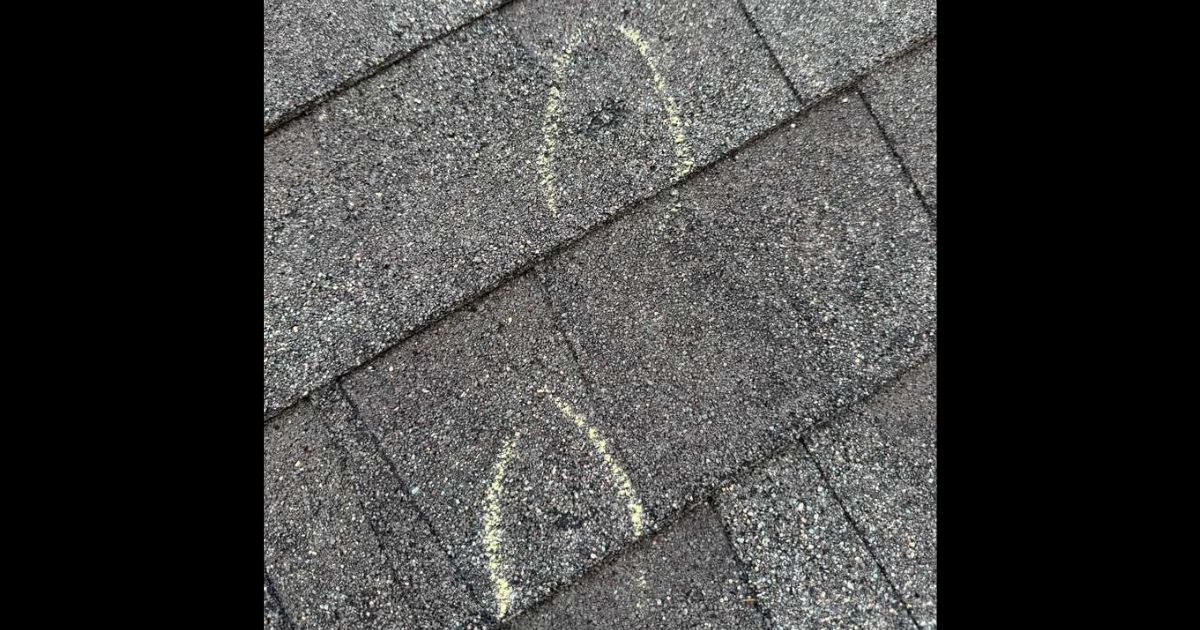
Do not touch or climb onto the roof to investigate these signs yourself.
- Marks or condition changes identified by a roofing company during inspection
- Round or irregular dark patches assessed by the company
- Granules displaced in a circular pattern around the impact point
A roofing company or adjuster may document impact patterns in sample areas. Photographs can preserve observations, but they do not establish coverage.
Damaged or Dented Soft Metals (The "Tell")
Hail can leave marks on softer metal surfaces around a home even when shingles look intact. These observations can provide context, but they do not establish roof condition or insurance coverage.
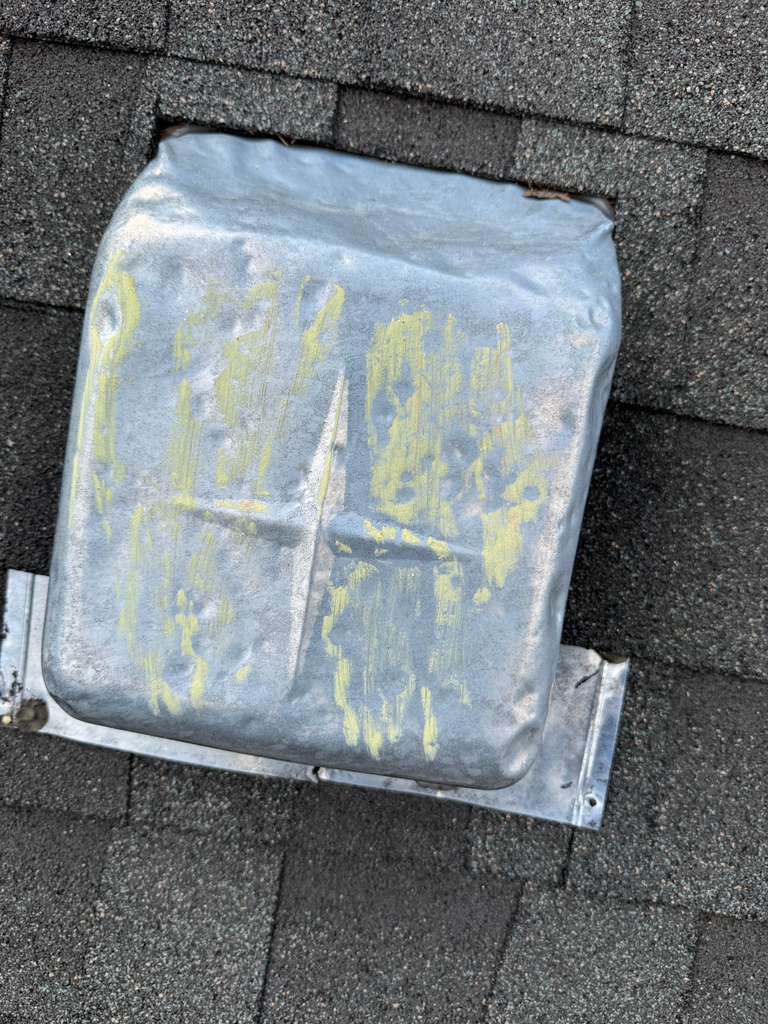
- Aluminum gutters and downspouts — look for circular dents
- Roof vents and pipe boots — soft caps dent easily
- HVAC unit fins — bent or flattened sections
- Window screens and shutters — torn screens or cracks
- Mailbox, gas grill, patio furniture — anything aluminum or thin steel
Dents on these surfaces may be consistent with hail. Document them safely with a coin or ruler for scale and ask a roofing company to inspect the roof.
Hail Damage in Valleys
Valleys are where two roof planes meet, channeling water and debris during every rain event. They're also where hail-loosened granules accumulate after a storm, accelerating wear in an area that's already under more stress than the rest of the roof. Valleys deserve careful inspection because several roofing materials meet there and damage can be difficult to see from the ground.
- Concentrated granule loss along the valley line
- Bare or exposed asphalt mat where shingles meet at the valley
- Lifted or damaged valley metal (if exposed valley) or visible wear on woven/closed valley shingles
- Loose, missing, or shifted shingles in the valley path
- Dark streaks or discoloration tracking down from the valley toward gutters or eaves
Because valleys channel water, damage or wear there can contribute to leaks and decking deterioration. A roofing company can inspect the area and explain its findings.
Damage to Pipe Boots, Vents, and Flashings
Penetrations through the roof — plumbing vents, attic vents, chimney flashings, satellite dish mounts — are weak points in the system. A company can assess these components during its inspection.
- Cracked or torn rubber pipe boots (especially common in older homes)
- Dented metal vent caps
- Bent or displaced flashings around chimneys and walls
- Cracked sealant where vents meet shingles
Damaged pipe boots can allow water to travel along rafters and appear as ceiling stains away from the entry point.
Cracked Skylights or Damaged Solar Panels
If you have skylights, solar panels, or solar tubes, inspect them from a safe location after hail. Coverage for these items depends on the policy and insurer's review.
- Cracks or stress fractures in skylight glass or domes
- Dented or shattered solar panel cells
- Crazed (web-like) cracking on plastic skylights
- Compromised seals around skylight frames
Ask the roofing company to document observed damage and ask the insurer how the policy applies.
Wood Damage on Decks, Fences, and Soft Trim
Hail can leave impact marks on wood surfaces, especially newly painted or stained surfaces. Photograph them safely as part of the property record, without treating them as proof of roof damage or coverage.
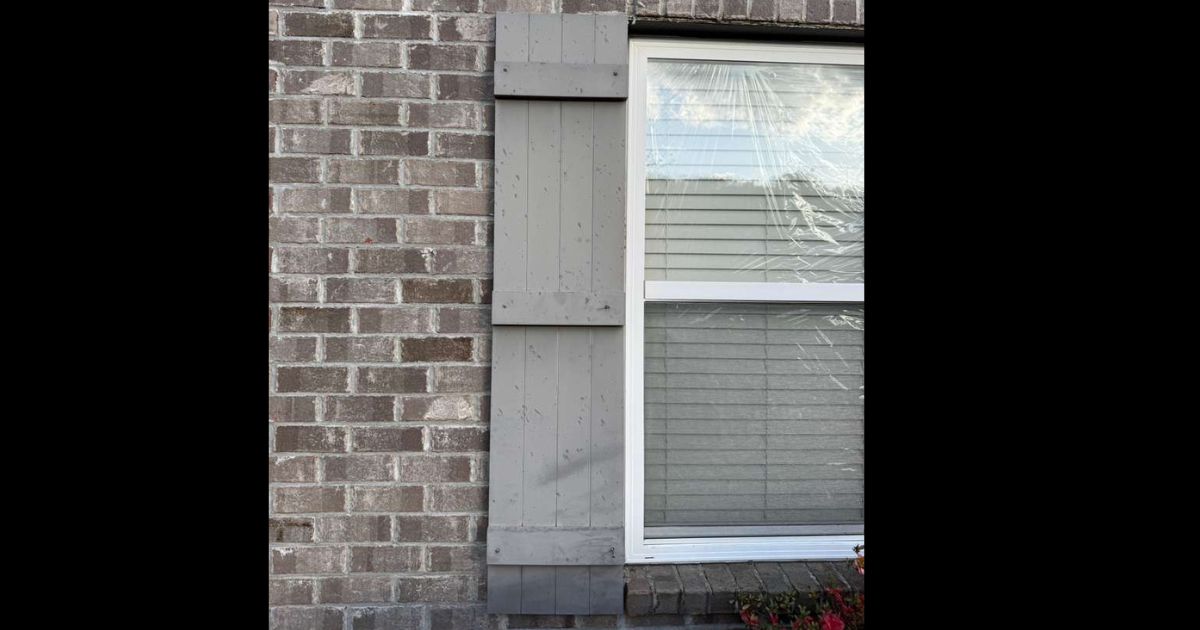
- Round white or light-colored impact marks on stained decks
- Chips or divots in painted fence boards
- Damage to wooden window trim, garage door panels, and soffits
- Bare spots where paint was knocked off
These observations can add context to a dated property record, but they do not establish roof condition or coverage.
What to Do If You Suspect Hail Damage
After a storm, prioritize safety and keep accurate observations:
1. Document what you can see safely from the ground. Keep dated photos as a record of observations. Capture the soft metals, gutters, fences, and any visible roof issues.
2. Don't climb onto the roof yourself. Hail-damaged shingles are slippery and the damage signs require trained eyes. Do not climb onto the roof to complete a request.
3. Document visible conditions and arrange an inspection. Take safe, ground-level photos and ask a roofing company to inspect the roof directly.
4. Review your policy and contact your insurer or agent. Ask about coverage, deductibles, and reporting deadlines before making claim decisions.
5. Check your policy terms. ACV and RCV provisions vary. Your insurer or agent can explain the coverage, deductible, and documentation requirements in your policy.
Ask What the Company Will Inspect
Inspection methods and deliverables vary. Ask the roofing company what it will assess, what access it needs, whether photographs or written findings are included, and what any inspection costs. Free Roof Score does not perform or promise a free inspection or condition report. NOAA records provide county or forecast-zone context, not proof of damage at a specific address.
Prepare repair or replacement questions
Use the repair guide to describe an observed concern, or the homeowner-paid replacement guide to organize scope and scheduling questions. Neither requires a diagnosis or guarantees a match.
The Self-Reported Roof Score
The Roof Score is a self-reported planning tool based on limited roof basics and visible signs. It provides:
- A broad concern band based only on your answers
- General observations to discuss with a roofing company
- A result that stays in your browser
It cannot establish actual roof condition. A roofing company must inspect the roof to do that.
Check the self-reported Roof Score →
Preparing a Repair or Replacement Request
Read our repair and leak guide or homeowner-paid replacement guide for scope questions before a company conversation.
The Bottom Line
Hail-related roof damage may be difficult to see from the ground and can contribute to later leaks. A roofing company must inspect the roof to assess actual condition. Ask your insurer or agent about policy deadlines.
If you are concerned after a storm, document visible conditions safely and consider a roofing-company inspection.
Free Roof Score is a free roofing-company matching service from A&E Roofing Advisors LLC. We are not a roofing contractor, inspector, or public adjuster. Requests may be shared with one partner roofing company; A&E is compensated by the partner network only when a job moves forward.